Education
Arizona State University
M.S. Artificial Intelligence Engineering (Robotics)
Previously: B.S. Data Science, Cybersecurity minor, Northern Arizona University (May 2026)
Expected master's completion: May 2028
Experience
Research, applied analytics, and education across robotics, digital twins, machine learning, and data science.
M.S. Artificial Intelligence Engineering (Robotics)
Previously: B.S. Data Science, Cybersecurity minor, Northern Arizona University (May 2026)
Expected master's completion: May 2028
June 2026 - Present
Gila River Indian Community
Support endpoint and mobile security, network threat monitoring, SaaS security, phishing defense, and secure remote troubleshooting. Work involves highly confidential information in a tribal government environment supporting government agency operations.
Academic collaboration
NAU Institute of Advanced Applications of Artificial Intelligence
Built a course-catalog scraping and analysis workflow used to examine AI and ethics-related curriculum coverage through reproducible data collection and reporting.
Runs in simulation: a G1 walking policy trained in Isaac Lab on Newton/MuJoCo-Warp. In the published evaluation, 237 of 256 simulated robots stayed up through a 24-second pushed test. One policy, one training seed; fall recovery is still in progress.
Runs in simulation: a UR5e assembly testbed in Isaac Sim 6.2 where a joint-strength model decides whether each connection holds. 21 of 29 catalogued structures complete. No real-robot trials yet.
Pre-release open-source MCP server for Isaac Sim and Isaac Lab, built on Aldrin Inbaraj's omni-kit-mcp and isaac-sim-mcp, so AI agents can build scenes, drive robots, and run training jobs.
Collaborating with John Lok, who led the controller development, on simulation research in MuJoCo. I reproduced an archived NMPC baseline and am working on a timing and validation study.
A research direction with Dr. Wenlong Zhang, possibly using model predictive control or reinforcement learning. It is not built, and no controller has been shown.
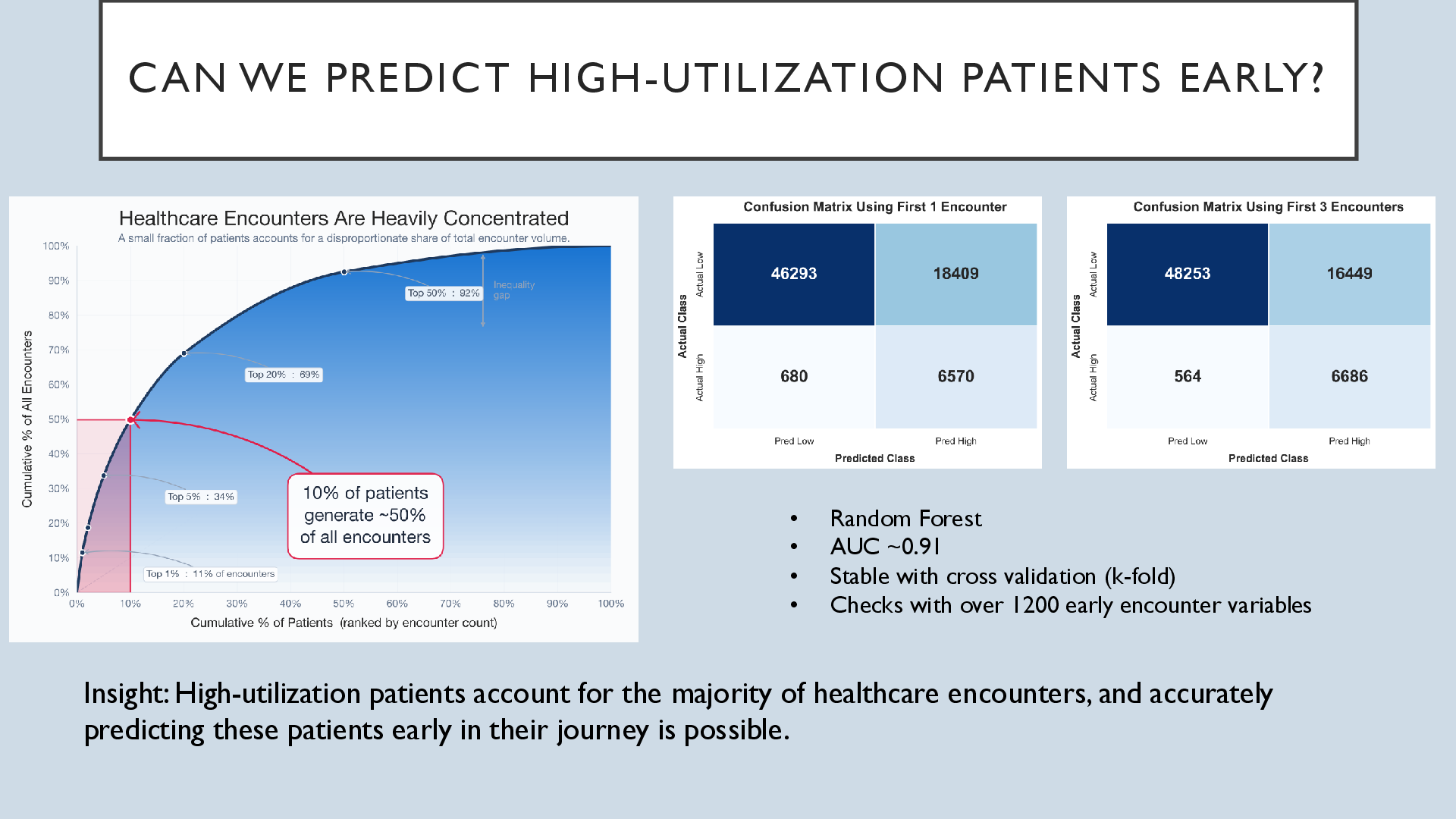
Built models, engineered features, and visualized early signals of high healthcare utilization with a team during the 48-hour competition. The award included a one-year American Statistical Association membership.